Building an audience, creating content regularly, analyzing trends—influencing is harder than it looks. If you’re going to put the time and effort into becoming an influencer, you might as well try to get paid while doing it, and one of the most common ways to do this is through affiliate marketing. So what is affiliate marketing and how can you use it to make some cash on Instagram?
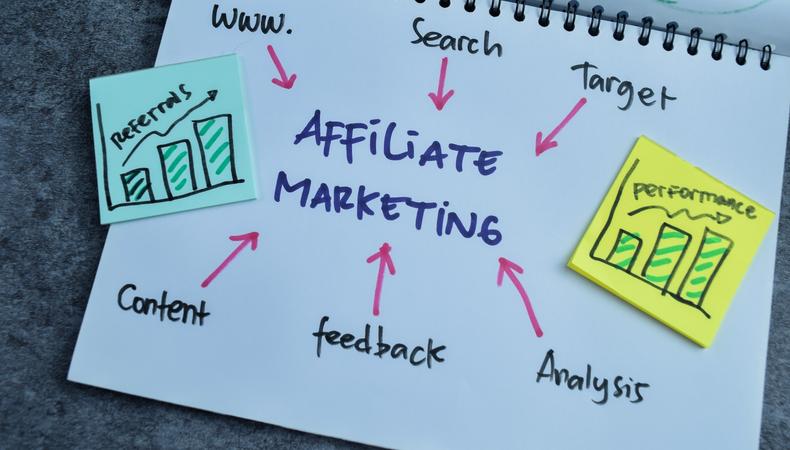
Affiliate marketing is a performance-based marketing model in which a creator earns a commission for driving sales or actions for a brand. Instead of being paid a flat fee for a post, the creator receives a unique tracking link or code. When someone clicks that link and makes a purchase, the creator earns a percentage of the sale.
On Instagram, affiliate marketing operates within the platform’s content formats and limitations. Unlike blogs or YouTube descriptions, Instagram doesn’t allow clickable links in standard post captions. As a result, affiliate marketing on Instagram relies heavily on user behaviors and specific features, such as Stories, bio links, and product tagging.
At its core, the process looks like this:
- A creator joins an affiliate program offered by a brand or affiliate network.
- The creator receives a unique affiliate link or discount code.
- The creator promotes the product within their Instagram content.
- Followers click the link or use the code.
- The creator earns a commission on qualifying purchases.
Instagram’s visual-first nature makes it particularly well suited for affiliate marketing. Products can be demonstrated, worn, styled, or reviewed in a way that feels natural within a creator’s feed. Rather than feeling like traditional advertising, effective affiliate content blends seamlessly into a creator’s usual posts.
Because commissions are usually smaller than flat-rate sponsorships, affiliate marketing rewards consistency and trust. Once you become an influencer with a loyal audience, you can build a steady income stream from links that continue generating revenue long after a post goes live.
 15 Steps to Becoming an Instagram Influencer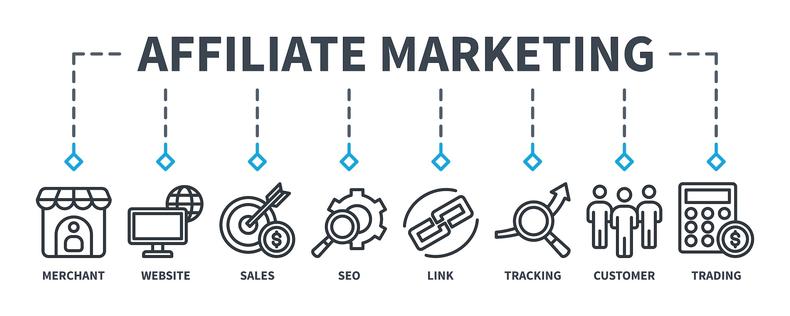
San DD/Shutterstock
Getting started with affiliate marketing doesn’t require a massive following, but it does require preparation and strategy. Below is a step-by-step approach anyone with a UGC job can use to build a foundation for affiliate income.
1. Define your niche and audience.
Before signing up for any affiliate program, it’s important to understand who you’re creating content for and what they actually care about. Affiliate marketing works best when product recommendations align naturally with your content.
Ask yourself:
- What problems does my content help solve?
- What types of products do I already use and talk about?
- What would my audience realistically buy based on my recommendations?
A clearly defined niche makes it easier to choose relevant affiliate products and communicate their value authentically.
2. Choose affiliate programs and networks.
Once you know your niche, you can look for affiliate programs that match your content. These typically fall into two categories: brand-run programs and affiliate networks.
Brand-run programs are managed directly by companies and often offer higher commissions or exclusive perks. Affiliate networks act as intermediaries, hosting multiple brands under one platform and simplifying payouts.
When evaluating programs, consider:
- Commission rate
- Cookie duration (how long a sale can be credited to you after a click)
- Payment threshold and schedule
- Brand reputation and product quality
It’s generally better to start with a small number of programs you actually like, rather than promoting many unrelated products.
As influencer Elisa Gallois explains, “I always prioritize brands that share my values. For me, it’s essential to collaborate with companies I genuinely believe in—not just for financial reasons.”
3. Set up your link strategy.
Because Instagram limits clickable links, how you present affiliate links matters. Most creators rely on a link-in-bio tool or a simple landing page that houses multiple affiliate links in one place.
Common link placements include:
- Instagram bio: A central hub for all affiliate links.
- Stories: Swipe-up links or link stickers drive immediate traffic.
- Profile highlights: Saved Stories continue to promote products.
- Instagram Shop or product tagging: When available, for eligible accounts, these tools drive traffic directly to products.
Clear calls to action are essential; telling followers exactly where to click and why reduces friction and increases conversions.
4. Create affiliate-friendly content.
Affiliate marketing works best when products are shown in context rather than presented as standalone ads. On Instagram, this often means incorporating products naturally into your regular content.
Some examples:
- Outfit photos tagging each item
- Skincare routines featuring specific products
- “Day in the life” content that includes affiliate tools
- Short-form videos demonstrating how a product works
The goal is to show how the product fits into your life, not just that it exists. This helps followers visualize themselves using it and makes the recommendation feel personal rather than transactional.
“Authenticity comes first,” notes Gallois. “My followers know that when I talk about a brand, it’s because I genuinely know and believe in it. I don’t fake it—I show up as myself. This transparency builds trust, making my recommendations credible and engaging.”
5. Disclose affiliate relationships clearly.
Transparency is both a legal requirement and a trust-building practice. Creators must clearly disclose affiliate relationships so followers understand that commissions may be earned.
Simple disclosures include:
- Using #affiliate or #ad in captions
- Writing “This post contains affiliate links” in Stories
- Verbal disclosures in video content
Clear disclosure doesn’t reduce conversions. Instead, it strengthens credibility by showing honesty and professionalism.

Chay_Tee/Shutterstock
Once you’ve set up affiliate marketing, the real challenge becomes increasing conversions. Below are practical strategies creators use to improve performance and grow income over time.
Focus on trust over volume: Affiliate marketing is not about posting as many links as possible. It’s about recommending products your audience genuinely trusts you to evaluate. Creators who over-promote quickly lose credibility, while those who are selective tend to see better long-term results. Recommending fewer products—but explaining why you like them—often leads to higher conversion rates.
Explain the “why,” not just the product. Simply linking a product isn’t enough. Successful affiliate content explains why the product matters and how it improves the user’s experience. That additional context reduces uncertainty and helps followers make faster decisions.
Use Stories strategically. It always helps to game the algorithm. Instagram Stories are one of the most powerful tools for affiliate marketing because they feel immediate and conversational. They also allow direct linking, which removes friction. Effective Story strategies include:
- Showing the product in real-time use
- Breaking recommendations into short, digestible clips
- Adding captions for clarity and accessibility
- Reposting affiliate Stories periodically for new viewers
Because Stories disappear after 24 hours, many creators save high-performing affiliate content as Highlights for ongoing visibility.
Leverage repetition without spamming. Audiences rarely buy the first time they see a product. Repetition helps reinforce awareness and trust, but it must be done thoughtfully. Rather than reposting the same link repeatedly, creators can:
- Reference the product in different contexts
- Share updates or long-term impressions
- Answer common questions about it
- Show how it performs over time
This approach keeps content fresh while still reinforcing the recommendation.
Track performance and adjust. Most affiliate programs provide basic analytics showing clicks, conversions, and earnings. Reviewing this data helps creators understand what works and what doesn’t. “I mainly track the number of clicks generated and purchases made,” says Gallois. “These indicators measure both community engagement and campaign effectiveness.”
Over time, this feedback loop helps you refine your strategy and focus on high-performing content rather than guessing.
Combine affiliate marketing with other monetization strategies. Affiliate marketing works best as part of a broader monetization ecosystem. Many creators use it alongside brand deals, digital products, subscriptions, or services. For example:
- Affiliate links can supplement sponsored posts.
- Product recommendations can support educational content.
- Evergreen affiliate links can provide passive income between campaigns.
This diversification reduces reliance on any single income stream and creates more financial stability.
Keep the bigger picture in mind. Affiliate marketing on Instagram offers creators a flexible, scalable way to make money by recommending products they already use and trust. While it may not deliver instant payouts, it rewards consistency, authenticity, and audience connection.
As Gallois explains, “Affiliate marketing is perfect for long-term relationships, far from ‘one-off’ collaborations. It allows creators to highlight products they care about while earning income.”