
I don’t know about you, but when I think of Aveeno, I think of Jennifer Aniston and her flawless skin. And this is on purpose: Aveeno pays good money to put her million-dollar face front and center. This is the impact of a brand ambassador, who builds relationships that foster trust and loyalty among consumers.
Take, for instance, Roger Federer’s longstanding partnership with Rolex or George Clooney’s with Nespresso. We know these people don’t need the money—they must just really love the product. It’s an effective sell. But famous people aren’t the only ones who can be brand ambassadors. With the rise in social media, everyday people can step into the role, growing a trustful following from the safety of their own platform.
But what exactly does it take to become a brand ambassador? What skills are needed, and how does one navigate the path to this coveted role? This comprehensive guide will walk you through everything you need to know about becoming a brand ambassador, from understanding the role to acquiring the necessary skills and making your mark in the industry.
JUMP TO
Vitalii Vodolazskyi/Shutterstock
A brand ambassador is a person who represents and promotes a company’s products, services, or overall brand in a positive light. To put it plainly: They’re the face and personality of the company. The concept of brand ambassadorship dates back to the early 20th century when companies began leveraging the reputations of well-known personalities to enhance their brand image and credibility.
Unlike influencers, who primarily use social media to reach their audience and may endorse a variety of products from different brands, brand ambassadors usually have a long-term, formal relationship with a single company, focusing on building sustained trust and loyalty among consumers. This is an important distinction because brand ambassadors are more deeply integrated into the brand’s marketing strategy, often participating in events, creating content, and interacting with customers on multiple platforms to maintain a consistent and authentic brand presence.
- Promote the brand: Brand ambassadors actively promote the brand’s products or services through various channels such as social media, personal blogs, and in-person events. They share their positive experiences and insights, helping to create a genuine connection between the brand and its audience. For example, a fitness brand ambassador might post workout videos featuring the brand’s gear, while a tech ambassador might write in-depth reviews about new gadgets.
- Attend events: Ambassadors often represent the brand at events like trade shows, product launches, and community gatherings. Their presence helps humanize the brand and provides opportunities for face-to-face interaction with potential customers. In the beauty industry, ambassadors might demonstrate products at makeup conventions; in the beverage industry, they might host tastings or sponsor events.
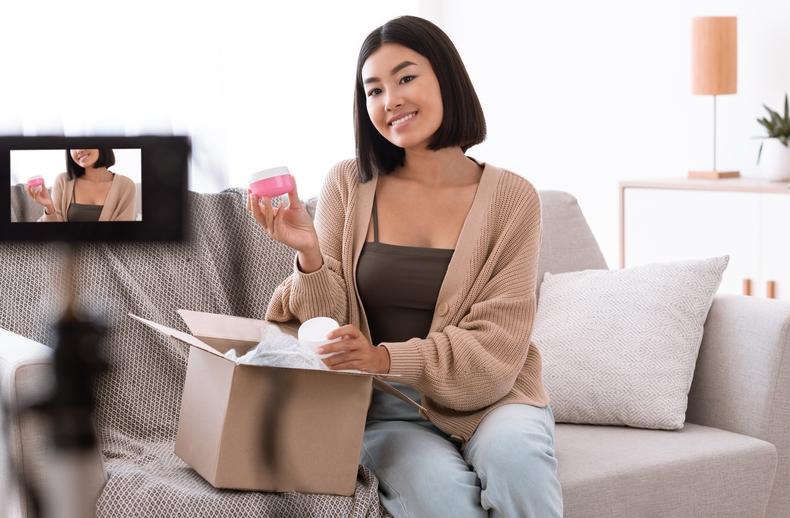
- Create content: Producing high-quality, engaging content is a key responsibility. This includes writing blog posts, filming videos, taking photos, and crafting social media updates that reflect the brand’s image and message. For fashion brands, this might involve styling and photographing outfits; for food brands, it could mean sharing recipes and cooking tips.
- Engage with the community: Effective brand ambassadors build and nurture relationships with the brand’s audience by responding to comments, participating in discussions, and fostering a sense of community. This engagement is essential in industries like gaming, where ambassadors might stream live gameplay and interact with fans in real time, creating a loyal following.
- Provide feedback: Ambassadors offer valuable insights to the brand based on their experiences and interactions with customers. This feedback can inform product development, marketing strategies, and customer service improvements. In the automotive industry, for instance, an ambassador might test-drive new models and share detailed feedback on performance and features.
- Maintain brand image: Consistency in messaging and presentation is crucial. Ambassadors must align their personal brand with the company’s values and ethics, ensuring that every interaction and piece of content accurately reflects the brand. This is particularly important in sectors like luxury goods, where the brand’s prestige and image are paramount.
- Strong communication skills: Effective verbal and written communication is essential for engaging with the audience, crafting compelling content, and representing the brand at events. Ambassadors must convey the brand’s message clearly and persuasively, whether they are speaking at a conference or posting on social media.
- Social media savvy: Proficiency in using social media platforms like Instagram, X (formerly Twitter), Facebook, and TikTok is crucial. Ambassadors need to understand how to maximize reach and engagement through these channels, create visually appealing content, and stay updated with the latest trends and algorithms.
- Creativity: A creative mindset is vital for developing unique and engaging content that captures the audience’s attention. Whether it’s designing eye-catching visuals, filming innovative videos, or writing compelling stories, creativity helps keep the brand’s presence fresh and appealing.
- Networking skills: Building and maintaining relationships with key influencers, industry professionals, and potential customers is a core part of being a brand ambassador. Effective networking can lead to collaborations, partnerships, and increased visibility for the brand.
- Passion for the brand: Genuine enthusiasm and belief in the brand’s products and values are crucial. Ambassadors need to be authentic in their advocacy, as audiences can easily discern insincerity. This passion translates into more convincing and relatable promotions.
- Flexibility and adaptability: The ability to adapt to changing circumstances and embrace new challenges is important. Ambassadors must be prepared to handle unexpected situations, shifts in marketing strategies, and evolving industry trends.
- Professionalism: Maintaining a professional demeanor in all interactions, both online and offline, is essential. This includes being punctual, reliable, and respectful, as well as adhering to the brand’s guidelines and policies.
- Analytical skills: Understanding and analyzing engagement metrics, customer feedback, and market trends can help ambassadors optimize their strategies and deliver better results for the brand. This involves using tools to track performance and identify areas for improvement.
Prostock-studio/Shutterstock
A brand ambassador’s earnings can vary widely depending on factors such as the industry, the ambassador’s experience, the scope of their responsibilities, and the brand’s size and budget. According to ZipRecruiter, the average annual salary for a brand ambassador in the United States is $42,937 as of 2024. However, this figure can fluctuate significantly. Entry-level positions may start around $20,000 per year, while more experienced ambassadors working with major brands can earn upwards of $75,000 annually.
Additionally, some brand ambassadors are compensated on an hourly basis, with rates typically ranging from $10 to $25 per hour. For those with significant influence and reach, particularly in industries like fashion, beauty, and technology, earnings can be substantially higher, often supplemented by bonuses, free products, and other perks. Freelance or part-time ambassadors may earn between $15 to $30 per hour, as noted by Indeed and Glassdoor.
1. Identify your passion and niche. Start by identifying brands and industries that align with your interests, values, and personal brand. Whether you’re passionate about fashion, fitness, food, technology, or any other subject, choosing a field that resonates with you will make your ambassadorship more authentic and enjoyable. As Thinkific suggests, “Your passion for the brand you’re representing should shine through every piece of content you create.”
2. Build a strong personal brand. Establishing a strong online presence is crucial in today’s digital age. Create and optimize your social media profiles, website, blog, or YouTube channel to showcase your expertise, personality, and style. According to Teachable, “A strong personal brand can attract the attention of brands looking for ambassadors.”
3. Grow your audience and engagement. Focus on building a loyal and engaged following on your chosen platforms by consistently posting high-quality content, interacting with your audience, and leveraging relevant hashtags and trends. Engagement metrics such as likes, comments, shares, and follower growth are key indicators of your influence and appeal to brands.
4. Research and connect with brands. Look into brands that you admire and would like to represent. Follow them on social media, engage with their content, and familiarize yourself with their products, values, and target audience. Reach out to brands directly through email, social media DMs, or networking events, expressing your interest in becoming a brand ambassador and highlighting what you can offer. As SevenFifty Daily advises, “Be proactive in seeking out opportunities and don’t be afraid to pitch yourself.”
5. Demonstrate your value. Showcase your creativity, authenticity, and ability to connect with your audience through compelling content and collaborations. Share testimonials, case studies, or examples of successful partnerships to demonstrate your effectiveness as a brand ambassador. As Teachable suggests, “Show potential brands why you’re the perfect fit for them and how you can help them achieve their goals.”
6. Negotiate terms and agreements. Once you’ve established a relationship with a brand, negotiate the terms of your ambassadorship, including compensation, deliverables, exclusivity agreements, and duration of the partnership. Ensure that both parties are clear on expectations and responsibilities to avoid any misunderstandings down the line. Use tools like Docusign for secure and efficient contract signing.
By following these actionable steps and staying persistent, you can pave the way toward becoming a successful brand ambassador and forging meaningful partnerships with brands that resonate with you. As Indeed emphasizes, “Becoming a brand ambassador is not only about promoting products but also about building relationships and fostering trust with your audience.”
Becoming a brand ambassador is a dynamic journey that requires passion, dedication, and strategic planning. By understanding the role of a brand ambassador, honing essential skills, and following a proactive approach, individuals can unlock exciting opportunities to represent brands they love and believe in. As the digital landscape continues to evolve, brand ambassadorship offers a unique avenue for building authentic connections with audiences and driving meaningful engagement.
Whether you’re sharing your expertise in fashion, wellness, technology, or any other niche, the key lies in being genuine, consistent, and value-driven in your interactions. So, embark on your ambassadorship journey with confidence, knowing that each step you take brings you closer to becoming a trusted advocate for the brands that resonate with you. As Thinkific aptly puts it, “With the right strategy and mindset, you can turn your passion into a rewarding career as a brand ambassador.”